Can You Whiten Teeth With Dental Implants?
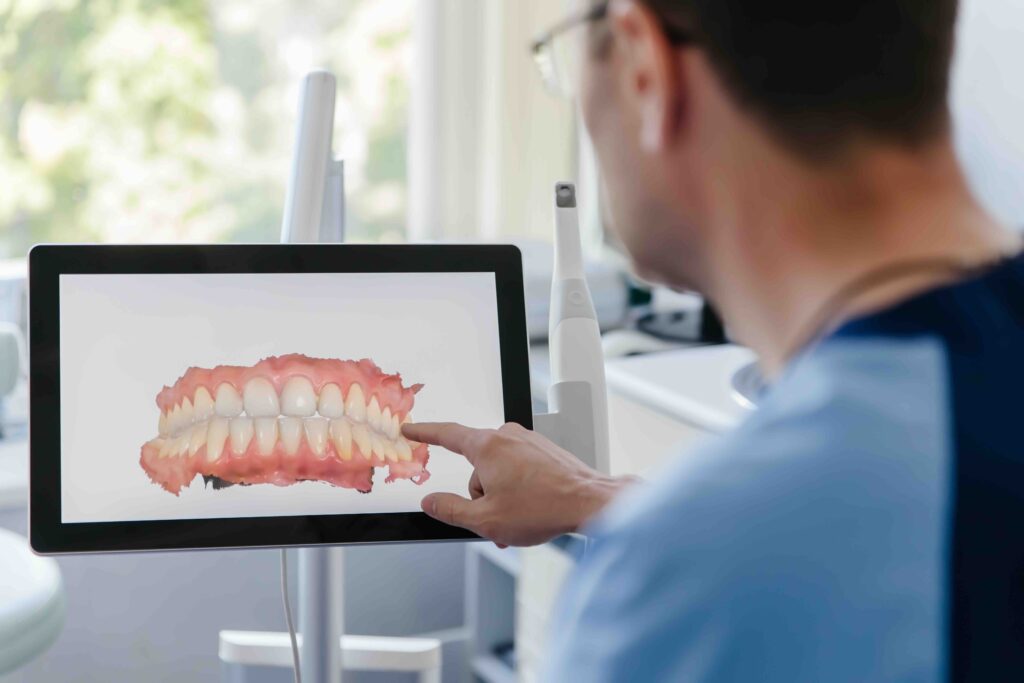
It is a common question in dental offices, and it usually comes up at a very specific moment. A patient has invested time, money, and patience into replacing a missing tooth with an implant. Healing is done, the crown looks good, and then they notice something they had not focused on before: the surrounding teeth are darker than they want, or the implant crown is brighter than the rest of the smile. That is when the question lands, often with a bit of hope behind it: can you whiten teeth with dental implants?
The short answer is no, not in the way most people mean it. Dental implants themselves do not whiten. More precisely, the visible part attached to the implant, usually a porcelain or ceramic crown, does not respond to whitening gels the way natural enamel does. If you apply bleaching products to an implant crown, veneer, or filling, you will not lighten that material. Natural teeth can often be whitened. Restorative materials cannot.
That distinction matters more than people expect, because an implant is rarely judged on its own. It is judged by how well it blends into the rest of the smile. In practice, whitening around dental implants becomes a shade-matching issue, not a bleaching issue.
What actually counts as the “implant”?
Patients often use the term implant to describe the entire replacement tooth, but from a dental standpoint it helps to separate the parts.
The implant itself is the titanium or zirconia post placed in the jawbone. You do not see that part. Above it sits the abutment, which connects the implant to the visible restoration. The part that looks like a tooth is the crown. When people ask whether dental implants can be whitened, they are almost always asking about the crown.
That crown is commonly made from porcelain, ceramic, zirconia, or a porcelain-fused material. These surfaces are stain-resistant compared with natural enamel, but they are not bleachable. They can pick up some external discoloration over time, especially if there is heavy coffee, tea, red wine, tobacco, or inadequate hygiene. Even so, surface stain is different from true whitening. A professional cleaning may remove buildup and make the crown look brighter, but it will not change the intrinsic shade chosen when the crown was made.
Why whitening gel works on teeth but not on implant crowns
Natural teeth have enamel and underlying dentin. Whitening agents, usually peroxide-based, penetrate the tooth structure and break down stain compounds. This is why whitening strips, custom trays, and in-office bleaching can lighten many natural teeth by several shades.
Porcelain and similar restorative materials do not have that same organic structure. The whitening agent has nothing to penetrate in a meaningful way. The shade is baked, layered, milled, or manufactured into the material. You cannot bleach your way to a lighter ceramic crown any more than you can bleach a white bathroom tile and expect it to become whiter than it already is.
This is where disappointment often starts. Someone buys an over-the-counter whitening kit hoping to freshen the whole smile, only to discover that the natural teeth change while the implant crown stays the same. That can actually make the mismatch more obvious.
The real concern is color harmony
In day-to-day practice, there are usually three scenarios.
First, the implant crown was matched to teeth that were darker at the time, and later the patient decides they want a whiter smile. After whitening the natural teeth, the implant crown may now look too dark or too yellow.
Second, the crown was made lighter than ideal, often because the patient wanted a bright result from the beginning, but the surrounding natural teeth never quite caught up. Now the implant looks too bright.
Third, the implant crown itself is not darker, but plaque, calculus, and external stain around the area create the impression that something has changed. In this case, a professional cleaning and polishing may solve much of the problem.
The solution depends on which of those situations you are actually dealing with. This is where a quick internet answer usually falls short. Whitening is not one treatment. It is part chemistry, part esthetics, part timing.
If you want a whiter smile and already have an implant
If you already have dental implants and want brighter teeth, your natural teeth can usually still be whitened, assuming they are otherwise healthy. The implant crown will not change color, so the goal is to whiten the surrounding teeth thoughtfully and then decide whether the crown still blends well enough.
Sometimes it does. Shade perception is tricky. A one-shade mismatch at the side of the mouth may be barely noticeable. A one-shade mismatch on a front central incisor can be glaring in photos, under office lighting, or in conversation from three feet away.
This is why front-tooth implants demand more planning than back-tooth implants. In the posterior region, function dominates and small esthetic differences are easier to tolerate. In the front, tiny shade, texture, and translucency differences can stand out.
If the implant crown no longer matches after whitening, the usual answer is replacement of the crown, not re-whitening of the implant. The implant fixture in the bone generally stays where it is. The visible crown is remade in a lighter shade to harmonize with the newly whitened teeth.
The best timing for whitening when implants are planned
From an esthetic standpoint, whitening before making the final implant crown is often the cleanest route.
A very practical sequence looks like this:
- Whiten the natural teeth first.
- Wait for the color to stabilize, often a couple of weeks.
- Select the final shade.
- Fabricate the implant crown to match that lighter smile.
That sequence prevents the classic mismatch problem. It also respects a basic truth about cosmetic dentistry: natural teeth are more changeable than restorations. If you choose the restoration shade before the natural teeth reach their desired color, you may end up remaking perfectly good work just to catch up later.
There is a trade-off, though. Some patients are in a temporary crown or healing phase and do not want to delay the final restoration. Others have sensitivity and cannot tolerate aggressive whitening. In those cases, the dentist may aim for a shade that fits the current smile well and discuss future options honestly. There is no universal formula, only better and worse sequencing.
What if the implant crown looks stained?
This is the point where language matters. People often say “yellow” when they mean one of three different things: true darkening of the material, surface stain, or contrast from surrounding gums and teeth.
Porcelain and zirconia do not usually absorb deep stain the way natural enamel can, but they can collect biofilm, tartar, and pigments on the surface. Smokers and heavy coffee drinkers are familiar with this. If the crown looked nice when first placed and now appears dull, a professional cleaning is a sensible first step.
At a cleaning visit, the hygienist or dentist may use scaling instruments and polishing methods chosen for implants and ceramics. That last point matters. Implant restorations should be cleaned carefully to avoid scratching the surface or irritating the tissues around them. A scratched restoration can hold more plaque and become harder to keep clean. The area around implants is durable, but not indestructible.
I have seen patients assume they needed a brand-new crown, only to be relieved after a thorough cleaning and a close evaluation under proper lighting. I have also seen the reverse, where someone thought they only had coffee stain but the crown was simply the wrong shade from the start. Both happen.
Why over-the-counter whitening can backfire around dental implants
Drugstore whitening products can be useful for some people with all-natural teeth, but they can create frustration when implants are part of the picture. The issue is not that the products are inherently unsafe for every implant patient. The issue is that they can lighten everything except the restoration you are trying to blend.
That becomes especially noticeable with a single front implant. If the crown stays at shade A3 while the neighboring incisors move toward A1, the implant may suddenly stand apart in photos and daylight even if it looked fine before.
There is another concern: fit and gum irritation. Ill-fitting whitening trays, careless gel use, or excessive frequency can irritate the soft tissues. Around implants, healthy gums are critical. The tissue frame around an implant is part of what makes it look natural. When gums are inflamed, they can make the color mismatch seem worse and complicate maintenance.
This is one of those situations where “trying it and seeing what happens” is not always the smartest cosmetic strategy.
When a new crown is the only real fix
If the implant crown is the wrong shade after your natural teeth have been whitened, replacement is often the most predictable answer. This sounds more dramatic than it usually is. Replacing the crown does not mean starting implant surgery over. In many cases, the dentist removes the existing crown, evaluates the abutment and tissue, takes updated records, and has a lab fabricate a new crown in a more suitable shade.
The complexity depends on location and esthetic demands. A molar crown in the back may be fairly straightforward. A front tooth is a different story. Matching a single central incisor involves not just brightness but translucency, surface texture, incisal edge character, and how the crown behaves in warm indoor lighting versus daylight. The best cosmetic results often come from careful photography, shade mapping, and a skilled lab technician.
There is a cost consideration too. Patients are sometimes surprised to learn that changing the color of the smile later can lead to replacing otherwise functional restorations. It is one reason cosmetic planning at the beginning matters so much.
Whitening options for natural teeth when you have implants
The presence of dental implants does not automatically rule out whitening for your natural teeth. It just means you need realistic expectations and a coordinated plan.
Professional guidance helps with a few practical decisions:
First, how much whitening is reasonable. A modest lift of one or two shades may preserve harmony better than pushing for the brightest possible result.
Second, which method makes sense. In-office whitening can produce rapid results, but custom home trays often allow more gradual control. That gradual control is useful when you are trying to stop at the point where your natural teeth still work visually with an existing implant crown.
Third, whether you have other visible restorations besides the implant crown. Fillings, bonding, veneers, and traditional crowns also do not whiten. Many patients focus on the implant and forget that an old composite filling on a front tooth may become the next shade mismatch.
Not every mismatch is really a whitening problem
Color is only one part of a Dental Implants natural-looking tooth. Shape, texture, gloss, and gum contour all influence what the eye notices first.
A crown that is technically a good shade can still look “off” if it is too opaque. Natural teeth transmit and reflect light in a layered way. Ceramic materials can mimic that, but the result depends on material choice, thickness, the color of the underlying abutment, and the skill of the lab. This is especially relevant for people with thin gum tissue or high smile lines.
Sometimes patients say they want the implant whitened when what they are reacting to is flatness, not darkness. Other times, the crown is acceptable but the adjacent teeth have darkened with age, coffee, and red wine over ten years. That is why a proper exam beats guessing from a bathroom mirror.
A few situations that deserve extra caution
Some patients need a more tailored conversation before whitening around implant-supported restorations. The most common examples include the following:
- A single implant in the front of the mouth
- Multiple visible restorations such as crowns, veneers, or bonding
- Thin or easily irritated gum tissue around the implant
- A history of tooth sensitivity with past whitening
- An implant crown that already looks slightly mismatched
None of these situations means you cannot brighten your smile. They just raise the stakes for planning. With a front implant, a minor color change can be obvious. With multiple restorations, whitening can trigger a domino effect where several pieces of older dental work now look mismatched.
What dentists usually recommend in practice
In a straightforward case, the advice is usually practical rather than dramatic. If a patient is considering dental implants and also wants whiter teeth, we often recommend whitening before the final crown is made. If the implant crown is already in place, we evaluate whether the surrounding teeth can be whitened conservatively without creating a mismatch that would bother the patient. If mismatch is likely, we discuss that upfront.
That candor matters. Cosmetic dissatisfaction often comes not from a bad procedure, but from a result the patient did not realize was predictable. If no one explains that crowns do not bleach, patients naturally assume a whitening syringe should work on every visible tooth surface. It does not.
I remember one patient with a lateral incisor implant who had bought several rounds of whitening strips over the years. She thought the product was failing because one tooth “never caught up.” The strips had actually lightened the natural teeth reasonably well. The implant crown was simply frozen in its original shade. Once she understood that, the situation became much easier to solve. A replacement crown, matched to her current tooth color, gave her the result she had been chasing with whitening products alone.
How to protect the appearance of an implant crown
While you cannot whiten the crown itself, you can help it stay clean and visually bright. Daily home care matters, and so do routine professional visits. Around implants, plaque control is not just about looks. It also protects the supporting tissues from inflammation.
A few habits make a real difference:
- Brush carefully along the gumline with a soft brush
- Clean between teeth and around the implant with floss or interdental aids recommended by your dentist
- Limit heavy exposure to tobacco and strongly staining drinks when possible
- Schedule professional cleanings at intervals your dentist recommends
- Ask for an evaluation if a crown suddenly looks dull, darker, or rough
These are not glamorous steps, but they are the habits that preserve both esthetics and longevity. A clean, polished implant crown usually looks better than a stained natural tooth beside it, and consistent maintenance gives you more options if you later decide to whiten the surrounding teeth.
The question behind the question
When someone asks whether they can whiten dental implants, they are often asking something more personal: can I still improve my smile, or am I stuck with what I have?
Most of the time, you are not stuck. You just have to use the right tool for the right surface. Whitening works on natural teeth. Professional cleaning can remove some surface stain from implant crowns. If the color is still wrong, the crown itself can often be remade. The key is understanding which category your problem falls into before spending money on products that cannot change ceramic.
That is why this issue is less about chemistry than planning. A smile with Dental Implants can absolutely be bright, natural, and balanced. It just rarely happens by bleaching everything blindly and hoping it evens out.
What to ask at your next dental visit
If you have an implant and are thinking about whitening, bring photos if you have them, especially if the color shift happened gradually. Ask your dentist whether the issue is stain, crown shade, surrounding tooth color, or a combination. Ask whether your natural teeth are good candidates for whitening and, just as important, whether whitening them will make the implant restoration look more obvious.
If you are still in the implant process and have not received the final crown yet, this is the moment to discuss smile shade goals. It is far easier to whiten first and match the crown second than the other way around.
The answer to the original question is simple enough: dental implants do not whiten. The useful answer is more nuanced. You can still whiten the teeth around them, improve the appearance of the restoration, and if needed replace the crown so the whole smile works together. That is how this is handled well in real life, not by chasing a tube of gel that was never designed to change porcelain in the first place.
Oaks Dental
5000 Parkway Calabasas Suite 308
Calabasas, CA 91302, United States
+1 818-431-2000
FAQ About Dental Implants
What is the downside of a dental implant?
Implants require surgery and a healing period that can last several months. Possible complications include infection, nerve or sinus injury, damage to nearby teeth and failure to bond with bone. Your dentist should assess your health, bone support and alternatives before recommending treatment.
What do dental implants typically cost?
There is no single price for every implant case. The number of teeth replaced, implant components, final restoration and any grafting or extractions affect the total. Request a written estimate covering every stage and confirm insurance benefits and out-of-pocket costs with the practice.
How long do tooth implants last?
An implant can provide long-term support and may last a lifetime with good oral hygiene and regular dental care, but this is not guaranteed. The crown or other restoration may need replacement sooner. Smoking, gum disease and some health conditions can reduce implant success.