The Pros and Cons of Same-Day Dental Implants
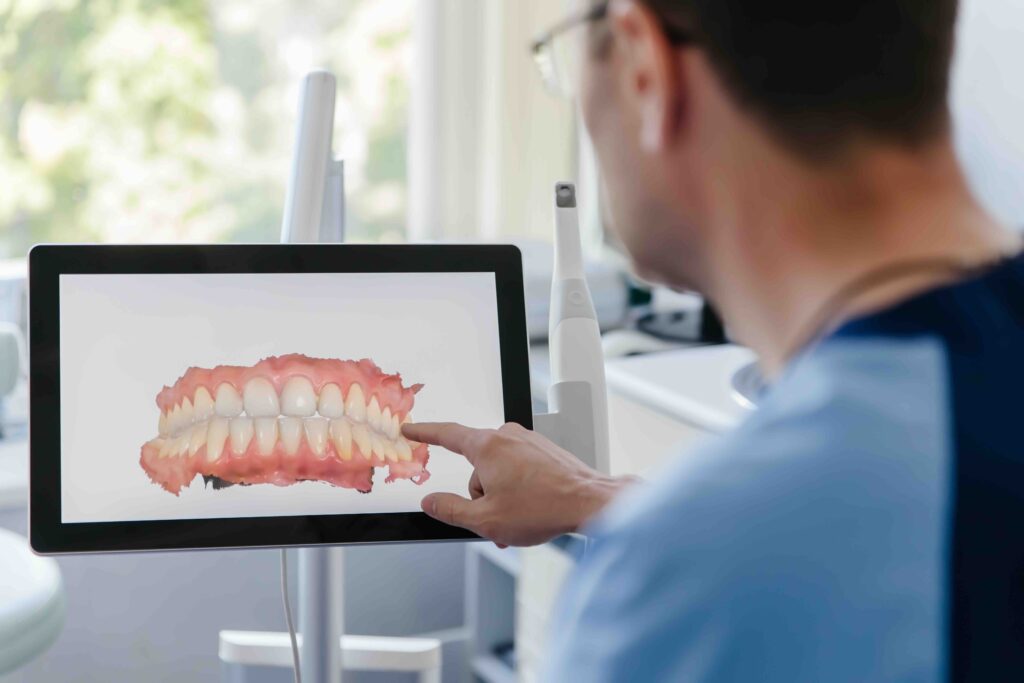
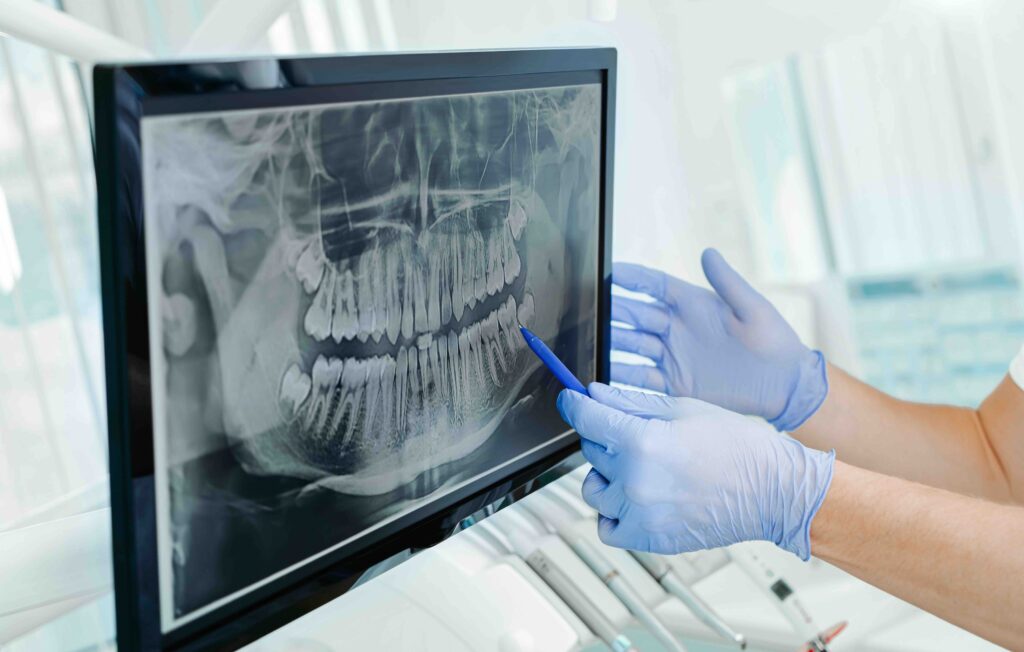
For patients who have spent months, sometimes years, hiding a failing tooth, the phrase "same-day dental implants" can sound almost too good to be true. Walk in with a damaged or missing tooth, walk out with something fixed in its place. The appeal is obvious. Less waiting, fewer appointments, faster cosmetic improvement, and in some cases a much easier emotional road.
But same-day treatment is not a magic shortcut. It is a specific clinical approach with very real benefits and very real limitations. In the right patient, it can be excellent. In the wrong patient, or when pursued for speed alone, it can lead to disappointment, extra cost, or even implant failure.
That is the part people often miss. Same-day dental implants are not better simply because they are faster. They are better when the biology, bite forces, bone quality, gum condition, and treatment planning all line up. When they do, the result can be efficient and elegant. When they do not, the smarter move is often the slower one.
What "same-day" really means
The term is used loosely in advertising, which can confuse patients before they ever sit in a consultation. In everyday practice, "same-day dental implants" usually refers to immediate implant placement, immediate provisionalization, or both.
Immediate implant placement means the implant is placed on the same day a tooth is extracted. Immediate provisionalization means a temporary crown or tooth-shaped restoration is attached right away or within a very short window. Not every same-day case includes a final crown. In fact, most do not. The visible tooth you leave with is often a temporary designed to protect appearance and guide healing while the implant bonds with bone.
That distinction matters. A patient may hear "same-day" and assume the entire process is complete in a single visit. Clinically, the truth is more nuanced. The surgery may happen in one day, the cosmetic gap may be filled right away, but the bone still needs time to heal around the implant. That healing phase, called osseointegration, cannot be rushed simply because the schedule is convenient.
I have seen this misunderstanding create frustration. A patient will say, "I thought I was getting the permanent tooth today." What they are usually getting is immediate function in a limited sense, not the final chapter. Good clinicians explain that upfront.
Why the idea is so attractive
Traditional implant timelines can feel long. Extract a tooth, wait for healing, possibly graft bone, place the implant, wait again, then restore it. For many cases, that staged approach is still the safest route. But from a patient's point of view, it can be tiring. There may be months of wearing a flipper, avoiding certain foods, attending follow-up visits, and feeling self-conscious in social or professional settings.
Same-day treatment answers several of those pain points at once. If the front tooth is fractured or unsalvageable, and the patient is otherwise a strong candidate, placing an implant and a temporary tooth immediately can preserve confidence in a way that is hard to overstate. Someone who works in sales, teaches, presents publicly, or simply hates the idea of a visible gap often values that immediate aesthetic result as much as the surgery itself.
There is also a tissue management benefit in carefully selected cases. When an implant is placed immediately after extraction, the clinician can sometimes help support the gum architecture and reduce the collapse that often follows tooth removal. This can be especially important in the smile zone, where even a small change in gum contour is noticeable.
Still, the emotional appeal of speed should not outrun the biology.
The strongest advantages of same-day treatment
The most obvious benefit is time. Combining extraction, implant placement, and temporary restoration can reduce the total number of surgical visits. For a patient with a demanding work schedule, limited travel flexibility, or dental anxiety, fewer procedures can make treatment far more manageable.
A second advantage is aesthetics. Immediate replacement is particularly valuable when the missing tooth is visible. A front tooth gap, even for a few weeks, can affect speech, self-image, and professional comfort. A well-made temporary can preserve appearance while the implant heals underneath.
There is also a functional upside, although this needs to be described carefully. Patients often report that a fixed temporary feels more natural than a removable partial. It does not shift in the same way, and it usually spares them the awkwardness of taking a prosthesis in and out. That said, "functional" does not mean unrestricted chewing. Same-day implant cases often come with a strict soft-diet period, especially if the temporary is attached immediately.
From a surgical perspective, immediate placement can also help preserve hard and soft tissue dimensions in some situations. Once a tooth is extracted, the socket begins to remodel. Bone resorption is a normal biological response. By placing an implant promptly, and by using grafting or contour support when appropriate, the clinician may reduce some of the volume loss that would otherwise occur.
Patients sometimes expect the chief advantage to be less pain. That is possible, but not guaranteed. Recovery depends more on surgical complexity, the presence of infection, flap design, grafting needs, and a patient's healing response than on whether the treatment is called same-day. In a straightforward case, recovery may be quite smooth. In a complex one, immediate treatment can still involve swelling, soreness, and a meaningful healing period.
Where same-day implants genuinely shine
They tend to work best in cases with favorable anatomy and controlled forces. A common example is a non-restorable front tooth in a patient with healthy gums, intact surrounding bone, and no active infection that compromises stability. If the implant can be placed into solid bone beyond the extraction socket with high primary stability, immediate temporization may be an excellent option.
Another strong scenario is the patient who is missing multiple teeth and undergoing a coordinated full-arch treatment plan with a skilled implant team. In those cases, a patient may receive implants and leave with a fixed provisional arch the same day. This can be life-changing for someone who has struggled with loose dentures or widespread dental disease. But these cases are also among the most demanding to plan correctly. They require careful imaging, surgical precision, restorative coordination, and strong patient compliance.
The back teeth are more variable. Posterior same-day implants can succeed, but they face heavier chewing forces. Molars in particular present their own challenges because of root anatomy, socket shape, and loading patterns. A patient may assume that if same-day is possible for one area, it is equally wise everywhere. That is not always the case.
The most important downside, biology still sets the pace
The central risk is that an implant needs stability to heal. Same-day placement can be very successful, but only if the implant is anchored firmly enough at the time of surgery. This is called primary stability. If the bone is too soft, the socket too compromised, or the implant unable to lock in securely, immediate loading becomes risky.
That risk is not abstract. Micromovement during healing can interfere with osseointegration. An implant that looks fine on day one can fail quietly over the next several weeks if the mechanical conditions are not right. This is why a responsible clinician may begin with a plan for same-day treatment but change course during surgery if the stability is not adequate. From the patient's perspective, that can feel like a last-minute reversal. From the clinical perspective, it is often the safest decision in the room.
There is also the issue of case selection. Same-day implant marketing sometimes gives the impression that speed is available to anyone willing to pay for it. In reality, smokers, patients with uncontrolled diabetes, people who grind heavily, and those with active periodontal disease may face higher complication risks. Poor oral hygiene, thin gum tissue, untreated infection, and insufficient bone volume can also shift the balance away from immediate treatment.
Another limitation is that the temporary tooth must be protected. Some patients hear "new tooth today" and assume they can chew steak by dinner. That is one of the fastest ways to sabotage a promising case. Immediate restorations often need to stay out of heavy bite contact, especially in the front. The look may be immediate, but the function is usually controlled and cautious at first.
Cosmetic success is harder than it looks
A same-day implant in the smile zone is as much an aesthetic procedure as a surgical one. Tiny differences in gum height, tooth angle, emergence profile, and papilla support can make a result look natural or artificial. The challenge is not simply putting an implant where the root used to be. It is preserving or rebuilding the architecture around it so the final crown belongs with the neighboring teeth.
Patients often focus on the visible crown because that is what they can see. Clinicians worry just as much about the gum frame around it. If the tissue is thin, if the facial bone plate is damaged, or if the original tooth position was already compromised, achieving a beautiful immediate result can be difficult. Sometimes delaying the implant, grafting first, or using a staged provisional plan gives a better long-term outcome.
This is one of the most important trade-offs in the whole discussion. Faster does not always mean better looking. Sometimes it does. Sometimes it very clearly does not.
Cost, efficiency, and the hidden economics
Many patients assume same-day implants cost less because there are fewer appointments. Sometimes the schedule is more efficient, but the cost is not automatically lower. Immediate treatment often requires more planning, advanced imaging, temporary restorations, Dental Implants oaksdentistry.com surgical components, grafting materials, and tighter coordination between surgical and restorative teams.
In some offices, same-day procedures are priced at a premium because they demand more resources in a compressed timeline. In others, the overall fee may be comparable to staged treatment, depending on how the case is structured. The practical point is this: "same-day" is not a reliable signal of value by itself.
What matters more is whether the treatment plan fits the patient. A lower upfront fee can become expensive if it leads to complications or a compromised cosmetic result. By the same token, paying more for a carefully executed immediate case can be worth it if it reduces months of temporary solutions and gives a stable, attractive outcome.
Patients do best when they ask not just for the price, but for the reasoning behind the sequence. Why immediate? Why delayed? What are we trying to preserve, and what risks are we trying to avoid?
The patient side of success, compliance matters more than many expect
A same-day implant is not a passive treatment. The patient has a job to do after surgery. That includes following dietary restrictions, keeping the area clean without disturbing it, attending reviews, wearing any protective appliance if prescribed, and reporting unusual symptoms early.
This is where very motivated patients tend to excel. They understand that the temporary is part of a healing plan, not a green light to use the tooth normally. Patients who grind at night but resist wearing a night guard, or those who return immediately to hard chewing, can undermine even a well-executed case.
The quality of healing also depends on habits that have nothing to do with the implant itself. Smoking remains a major concern. It impairs blood flow, slows tissue healing, and increases the chance of complications. Poor glycemic control in diabetic patients can create similar concerns. These are not automatic disqualifiers in every case, but they should never be brushed aside.
When a slower approach is the smarter approach
Some of the best implant outcomes come from deliberately staged treatment. If a tooth has a large infection, if the socket walls are damaged, if the patient has significant bone loss, or if the bite forces are unfavorable, delaying implant placement can create a more predictable foundation.
This can be frustrating for patients who hoped to solve everything quickly. Yet a measured approach often protects the final result. Grafting first, letting tissues mature, then placing the implant into a more stable environment can improve both function and appearance. In posterior areas under heavy load, a delayed restoration may reduce the chance of overload during early healing. In highly visible front-tooth cases with thin tissue, a staged process may yield better symmetry and more stable gum contours.
A seasoned clinician learns that restraint is part of good treatment planning. The ability to say "not yet" is often more valuable than the ability to say "today."
Questions worth asking at the consultation
The quality of the consultation often predicts the quality of the experience. Patients do not need to become implant experts, but they should leave with a clear sense of why the proposed timing makes sense for their specific mouth.
A few questions are especially useful:
- Am I a strong candidate for immediate placement, and why?
- Will I leave with a temporary tooth, and if so, what can I safely eat?
- What factors could make you change the plan on the day of surgery?
- If we delay the implant instead, what advantage would that give me?
- What does the final timeline look like until the permanent crown is placed?
Those questions often reveal whether the recommendation is biologically driven or mainly sales driven. A confident, thoughtful answer usually includes conditions, caveats, and alternatives. That is a good sign.
Full-arch same-day cases deserve special caution
Single-tooth cases and full-arch "teeth in a day" cases are often discussed as if they belong in the same category. They do not. Full-arch treatment can be remarkable for the right person, particularly someone moving from failing teeth or unstable dentures to a fixed provisional bridge. But it is a major reconstructive project, not a quick cosmetic procedure.
The planning burden is heavier. The consequences of poor bite design are larger. The maintenance needs are long term. Patients may feel thrilled by the immediate transformation, and understandably so, but they still need to know that swelling, adaptation, speech changes, hygiene training, and follow-up adjustments are part of the process. The same-day aspect is just one piece of a much bigger rehabilitation.
What good judgment looks like
The best same-day Dental Implants cases usually have a few things in common. The diagnosis is clear. The patient understands the difference between temporary and final restoration. The bone quality supports primary stability. Gum health is under control. The bite has been considered carefully. There is a backup plan if the surgical findings are less favorable than expected.
That last point matters. Skilled implant clinicians do not force immediate loading to satisfy a schedule. They adapt to what they find. If the implant is stable enough, they proceed. If it is not, they protect the case rather than gambling with it. Patients sometimes misread this flexibility as uncertainty. In reality, it reflects experience.
There is also an art to managing expectations. The most satisfied patients are often not the ones promised perfection. They are the ones given an honest map of the process, including what may look better immediately, what may feel awkward for a while, and what takes time to mature.
The real balance
Same-day dental implants can be an excellent option. They can shorten treatment, preserve appearance, reduce the inconvenience of removable temporaries, and in selected cases support very strong aesthetic outcomes. For the right patient and the right anatomy, they are not a gimmick. They are a sophisticated, evidence-based treatment approach.
They also come with trade-offs. The margin for error can be smaller. Stability is critical. Patient compliance matters. Some mouths are better served by a delayed sequence that prioritizes tissue quality and long-term predictability over speed.
The most important question is not whether same-day treatment is possible. It is whether it is wise in that specific case. When that distinction guides the decision, patients tend to get the best of what modern implant dentistry can offer, efficiency where it helps, patience where it protects, and a result built to last rather than simply to impress on day one.
Oaks Dental
5000 Parkway Calabasas Suite 308
Calabasas, CA 91302, United States
+1 818-431-2000
FAQ About Dental Implants
What is the downside of a dental implant?
Implants require surgery and a healing period that can last several months. Possible complications include infection, nerve or sinus injury, damage to nearby teeth and failure to bond with bone. Your dentist should assess your health, bone support and alternatives before recommending treatment.
What do dental implants typically cost?
There is no single price for every implant case. The number of teeth replaced, implant components, final restoration and any grafting or extractions affect the total. Request a written estimate covering every stage and confirm insurance benefits and out-of-pocket costs with the practice.
How long do tooth implants last?
An implant can provide long-term support and may last a lifetime with good oral hygiene and regular dental care, but this is not guaranteed. The crown or other restoration may need replacement sooner. Smoking, gum disease and some health conditions can reduce implant success.