Veneers Calabasas CA for a Red Carpet Smile
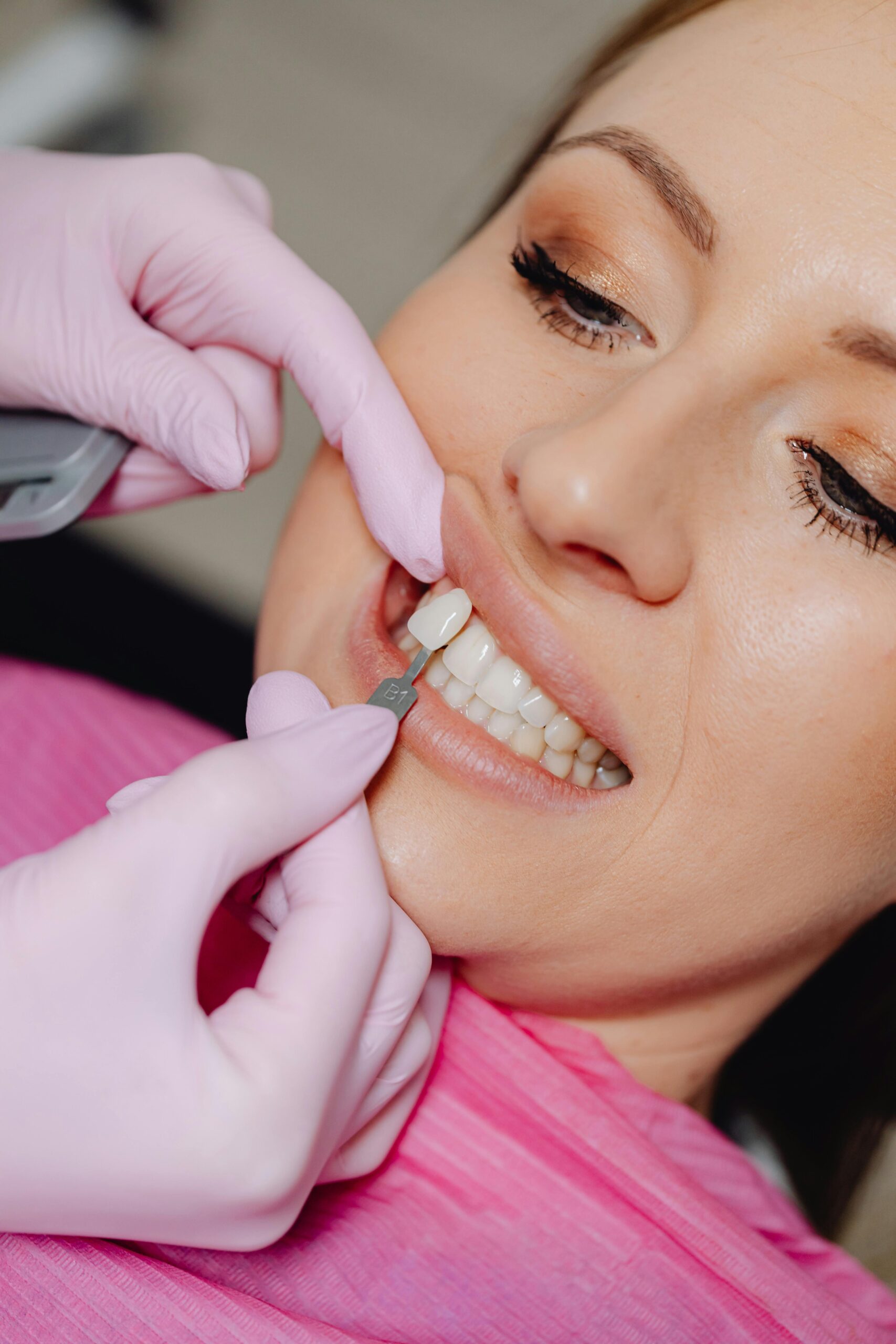
A great smile has always carried weight in Calabasas. This is a place where people spend time on presentation, whether they work in entertainment, business, law, wellness, or simply live in a community where polished appearances are part of daily life. Teeth are front and center in every conversation, every photo, every dinner, every on-camera moment. It is no surprise that many patients asking about Veneers Calabasas CA are not looking for a drastic makeover. Most want something more refined than that. They want their smile to look naturally beautiful, healthy, and camera-ready without tipping into obvious cosmetic work.
That distinction matters. The best veneers do not announce themselves. They create the kind of smile people notice without quite knowing why. The teeth look even, bright, and balanced with the face. The smile appears youthful but believable. Achieving that result takes much more than selecting a shade of white and placing porcelain shells over the front teeth. It requires planning, restraint, and a strong understanding of facial aesthetics, bite function, and the way light moves through natural enamel.
Patients often come in with screenshots of celebrity smiles or before-and-after photos pulled from social media. Those can be useful for starting a conversation, but real treatment decisions come down to the patient in the chair. Skin tone, lip shape, tooth display at rest, speech patterns, bite position, and gum symmetry all shape what will actually look right. Veneers can produce a striking transformation, but the best cases are deeply customized.
What veneers actually do
Veneers are thin restorations, usually made from porcelain or a high-quality ceramic, bonded to the front surface of the teeth. They are commonly used to improve color, shape, width, length, spacing, and mild alignment issues. When planned properly, they can create a more harmonious smile while preserving much of the natural tooth underneath.
That is the polished explanation, but patients usually think about veneers in more personal terms. They want to hide a chip that catches the light in every photo. They want to close a gap that has bothered them since high school. They want to cover internal staining from past medication use or old trauma. They want the edges of worn teeth to look younger. They want consistency after years of whitening strips, bonding repairs, and patchwork dentistry that no longer blends well.
The appeal of veneers is that they can solve several cosmetic problems at once. Whitening can brighten teeth, but it cannot change shape. Orthodontics can move teeth, but it does not repair wear or discoloration. Bonding can help, but it stains and chips more easily over time. Veneers occupy a middle ground where color, form, and surface texture can all be controlled with precision.
That said, veneers are not the answer to every smile complaint. If a patient has active gum disease, untreated decay, heavy grinding, unstable bite issues, or unrealistic expectations, veneers should not be the first move. Cosmetic work tends to last longest when the foundation is healthy and the goals are practical.
Why Calabasas patients often ask for a “red carpet” smile
The phrase “red carpet smile” gets used a lot, and not only by actors. In practice, it usually means a smile that looks bright under strong lighting, reads well in photographs, and still appears natural up close. That last part is where the work gets interesting.
A smile can look beautiful in a filtered selfie and flat in real life. It can look bright from across the room and too opaque in daylight. It can seem symmetrical in a posed grin and awkward during speech. Patients in Calabasas tend to be especially attuned to these differences because so many are photographed often, attend events, work in client-facing roles, or simply notice aesthetics at a high level.
A red carpet smile is rarely about making every tooth blinding white. Overly opaque veneers can look chalky, especially under sun or flash. https://www.google.com/maps?cid=11247861397590072761 Too much uniformity can also make the smile feel artificial. Natural teeth have variation. The edges may be slightly translucent. Surface texture catches light in a subtle way. Central incisors usually dominate visually, while canines and laterals contribute shape and movement. When that anatomy is ignored, even expensive veneers can miss the mark.
The strongest cosmetic dentists know when not to overdo it. Sometimes a patient asking for “perfect” actually needs softer line angles, less width in the front teeth, and a shade that works with their complexion rather than against it. The skill is not just in making teeth prettier. It is in making them believable.
The consultation is where good veneer cases are made or lost
Most veneer success stories start long before the teeth are prepared. The consultation should involve more than a quick glance and a price quote. A real evaluation looks at facial proportions, lip mobility, gum display, existing restorations, wear patterns, bite relationship, and the patient’s habits. Someone who clenches at night is different from someone with delicate enamel but a stable bite. Someone with old crowns on adjacent teeth presents a different challenge than someone with untouched natural enamel.
Patients often underestimate how much conversation belongs in this phase. What bothers you most? Is it the color, the shape, the crowding, the old bonding, or the way the teeth look in photos? Do you want a dramatic change or something so subtle your friends cannot identify it? Are you trying to match one discolored front tooth or redesign the visible smile zone? Have you had orthodontic treatment before? Do you grind? Do you sip coffee all day? These are not side notes. They shape the treatment plan.
Mock-ups are especially helpful. In many high-level cosmetic practices, patients can preview proposed changes through wax-ups, digital simulations, or temporary prototypes placed over the teeth. These previews are not perfect crystal balls, but they can reveal a lot. A patient may think they want very long central incisors until they see how that affects speech. Another may ask for the brightest possible shade until they view it next to their skin tone and realize it feels too stark.
The consultation is also where ethical judgment shows up. Not every patient who asks for veneers needs them. In some cases, whitening plus minor bonding is enough. In others, clear aligners first can reduce how much tooth reduction is needed later. The best cosmetic recommendations are not the biggest treatment plans. They are the most appropriate ones.
Who tends to be a strong candidate
Good veneer candidates usually share a few traits. Their teeth and gums are generally healthy, their cosmetic concerns are clearly defined, and they understand that veneers are a long-term dental restoration, not a reversible beauty accessory. They are also willing to protect the result with routine care.
The most common reasons patients consider veneers include the following:
- Persistent discoloration that whitening cannot meaningfully improve
- Chipped, worn, or uneven front teeth
- Small gaps or minor crowding they do not want to correct with orthodontics alone
- Misshapen or undersized teeth that disrupt smile balance
- Old bonding or restorations that no longer match well
Even within these categories, there are nuances. A patient with severe dark staining may need careful opacity management so the underlying color does not show through. A patient with short worn teeth may also need bite evaluation, because if the wear came from clenching, the new veneers must be designed to survive that force. A patient with small lateral incisors may achieve a dramatic improvement with only a few veneers, not ten.
The art behind natural-looking veneers
When people imagine veneer artistry, they often focus on shade. Shade matters, but it is only one part of the picture. Shape, proportion, translucency, texture, and edge design often matter more.
A skilled dentist and ceramic lab will study how your face carries a smile. Broad faces may handle fuller tooth forms well. Narrower faces often benefit from more delicate contours. Masculine and feminine smiles are not rigid categories, but they do tend to differ in line angles, incisal edge softness, and overall silhouette. Age also plays a role. Younger smiles often show more texture and subtle translucency at the edges. Older teeth tend to flatten and wear. Recreating youth does not mean making every tooth look identical. It means restoring life to the smile in a measured way.
One detail patients rarely think about is the way veneers interact with lips during speech. Teeth that are too bulky can alter sounds. Teeth that are too long can feel intrusive. Even tiny changes in the front teeth affect phonetics, which is why provisional veneers or mock-ups can be so valuable. A smile that looks good but feels awkward is not a finished cosmetic case.
Texture is another quiet difference-maker. Natural enamel reflects light because it is not perfectly flat. High-end veneers often include micro-texture and layered translucency so they do not look like smooth white tiles. Under restaurant lighting, daylight, and flash photography, this becomes obvious. People may not know the technical reason one smile looks elegant and another looks artificial, but they can see it.
Porcelain versus composite veneers
In casual conversation, patients often use the word veneers to mean any cosmetic covering placed on front teeth. Clinically, the material matters. Porcelain veneers are the standard for most premium cosmetic cases because they hold color well, resist staining better than composite, and can mimic natural light reflection beautifully. They also tend to last longer when designed and maintained properly.
Composite veneers are usually less expensive and can sometimes be completed more quickly. They can work well for selective improvements, conservative repairs, or transitional treatment. But composite is more prone to chipping, dulling, and staining over time, especially for patients who drink coffee, tea, or red wine regularly. It also depends heavily on the artistic skill of the clinician placing it.
For patients seeking a true red carpet finish, porcelain is usually the better fit. It offers more control over detail and more long-term polish. Still, there are cases where a careful composite approach makes sense, particularly for younger patients or for those who want to test certain shape changes before committing to porcelain.
How many veneers are usually needed
This is one of the most common questions, and the honest answer is that it depends on the smile width, the patient’s goals, and what the visible teeth are doing. Some patients need only two veneers to correct central incisors. Others do best with four, six, eight, or ten so the color and shape transition look seamless across the smile line.
A wide smile under bright lighting often exposes more teeth than patients realize. If only the front two teeth are brightened and reshaped while adjacent teeth remain darker or more worn, the mismatch can become obvious. On the other hand, placing more veneers than necessary can sacrifice healthy tooth structure without adding real benefit.
This is where an experienced cosmetic evaluation matters. The right number is the number that creates visual harmony, not the number that sounds impressive. In many real-world cases, six to eight upper veneers can create a dramatic improvement while keeping treatment focused and conservative. Lower veneers are less common, though lower teeth may need whitening, contouring, or other refinement so the whole smile feels balanced.
What the process usually looks like
Most veneer cases unfold over several visits, though the exact sequence varies by office and complexity. The broad rhythm tends to be straightforward:
- Records and design, including photos, exam, scans, and planning
- Tooth preparation, if needed, along with temporaries
- Lab fabrication and fit checks
- Final bonding and bite adjustment
- Follow-up to confirm comfort, function, and appearance
That sounds simple on paper. In practice, each phase calls for judgment. Preparation may be very minimal in some cases, especially when adding volume to small or recessed teeth. In others, slight reduction is necessary so the veneers do not look bulky. Temporaries are not just placeholders. They are often a test drive for shape, length, and speech. Patients who pay attention during the temporary phase usually give the most useful feedback, and that feedback can elevate the final result.
The bonding appointment is especially important. Veneers can look different depending on the bonding cement shade used underneath them. Small adjustments in contour and bite contact can also make the difference between a restoration that feels elegant and one that feels foreign. Good cosmetic dentistry is precise work.
How long veneers last, realistically
Patients understandably want a clear number. The real answer is a range. Well-made porcelain veneers can often last 10 to 15 years or longer, and some last well beyond that with proper care. Others fail sooner because of grinding, trauma, poor hygiene, bite instability, or edge chipping. There is no honest way to promise a fixed lifespan.
The condition of the underlying teeth matters. So does the way the veneers are designed. Thin, conservative veneers placed on healthy teeth in a stable bite can perform beautifully. Veneers placed on a patient who clenches hard every night without using a protective guard may not. Small habits also add up. Opening packages with the front teeth, chewing ice, biting nails, or using the teeth as tools is a fast way to shorten the life of cosmetic work.
Maintenance is not complicated, but it is not optional. Patients should still brush, floss, attend cleanings, and have the bite checked. If a night guard is recommended, wearing it matters. Veneers do not get cavities, but the teeth supporting them can.
The cost question, and why prices vary so much
Few cosmetic topics produce more confusion than veneer pricing. Patients may see dramatic differences between offices and assume the procedure is basically the same everywhere. It is not. Cost reflects several variables, including the dentist’s training, the time spent on planning, the complexity of the case, the quality of the ceramic lab, the materials used, the amount of temporary design work, and the level of follow-up care.
A veneer case is part dentistry, part engineering, and part visual art. Cheap veneers often look cheap for a reason. They may be over-contoured, too opaque, poorly integrated with the gums, or designed without enough attention to function. Fixing a failed cosmetic case is usually harder and more expensive than doing the original work carefully.
That does not mean the highest price automatically guarantees the best outcome. It means patients should ask better questions than “What do veneers cost?” They should ask to see before-and-after examples with faces visible, not just isolated teeth. They should ask how the office handles smile design, temporaries, bite evaluation, and lab collaboration. They should ask what happens if a veneer chips or the patient wants small changes after trying the temporaries.
In a market like Calabasas, where appearances carry real personal and professional value, many patients see veneers as an investment in confidence as much as aesthetics. That can be reasonable, provided the treatment is grounded in dental health and not just marketing language.
Common mistakes patients make when choosing a veneer provider
A beautiful website is not the same as deep cosmetic skill. Some patients get swept up by influencer-style branding and skip the details that actually predict results. In my experience, the biggest mistakes are choosing based on lowest price alone, focusing only on whiteness, or not discussing function and maintenance.
Another issue is bringing in a celebrity photo and treating it as a blueprint. Reference photos help communicate taste, but they do not account for different facial anatomy, lip movement, or tooth display. What looks refined on one person can look oversized or artificial on another.
Patients should also be cautious if every case from a practice has the exact same look. Cosmetic dentistry should not leave each patient with a clone smile. Variation is a sign that the work is customized.
Aftercare and the habits that protect your investment
Once veneers are placed, the daily routine should feel familiar, but a few precautions help preserve the result. Soft or medium-bristle brushing, consistent flossing, regular professional cleanings, and sensible use of the front teeth go a long way. Night guards deserve special attention. Patients who grind often underestimate the force they generate in sleep. The damage may show up first as tiny edge wear, but over time it can become far more expensive.
Patients also ask about staining. Porcelain itself is quite stain resistant, but the natural teeth next to veneers can still darken over time. That is one reason planning matters at the beginning. If surrounding teeth are likely to stand out later, whitening or broader treatment may be part of the initial strategy.
One subtle part of aftercare is expectation management. Veneers do not freeze the mouth in time. Gums can change. Natural teeth can shift slightly. Life happens. A veneer smile can remain beautiful for many years, but it is still part of a living, changing oral environment.
When veneers are not the smartest move
Sometimes the most professional answer is no, or at least not yet. A patient with untreated periodontal issues needs health restored first. A patient with moderate to severe crowding may get a better, more conservative result by doing orthodontics before considering veneers. A patient with unrealistic demands for paper-white, ultra-large teeth may need an honest conversation about long-term appearance and credibility.
There are also patients whose concerns are smaller than they think. I have seen people request full veneers when whitening, enamel contouring, and replacement of a couple of old bonded areas would have delivered a cleaner, more conservative outcome. Good cosmetic dentistry does not start by asking how many teeth can be covered. It starts by asking what result serves the patient best.
The real meaning of a red carpet smile
A red carpet smile is not just bright teeth. It is ease. It is smiling without angling your face to hide a chip. It is speaking without worrying about old discoloration. It is sitting for a headshot, attending a wedding, filming content, meeting clients, or laughing at dinner without self-consciousness creeping in.
That kind of confidence tends to come from work that respects both aesthetics and biology. The veneers look beautiful because they fit the face, the bite, and the patient’s actual life. They are not oversized trophies glued onto teeth. They are restorations designed with discipline.
For patients exploring Veneers Calabasas CA, that is the standard worth pursuing. Look for a dentist who studies your smile in motion, not just in still photos. Look for someone who talks as much about proportion and bite as shade and sparkle. Ask to see nuanced cases, not only dramatic transformations. The strongest veneer results are the ones that hold up at every distance, from the close conversation to the event photographer’s lens.
When done well, Veneers can absolutely create that red carpet effect. Not because they look flashy, but because they look right.
Oaks Dental
Address: 5000 Parkway Calabasas Ste 308, Calabasas, CA 91302
Phone number: +18184312000
FAQ About Veneers Calabasas CA
How much do veneers actually cost?
In the United States, dental veneers generally cost between $250 and $2,500 per tooth, while a full set typically runs anywhere from $6,000 to $25,000. Because the procedure is classified as cosmetic and elective, dental insurance almost never covers it.
How long do dental veneers last?
Dental veneers last a long time, but they are not permanent. They mainly depend on two key types: porcelain veneers and composite veneers. On average, porcelain types last 10 to 15 years, while composite types last 5 to 7 years before they need a fix or a new set.
What is the downside of having veneers?
The main downsides of dental veneers are that the process is permanent, they can cause tooth sensitivity, and they are costly to replace.